
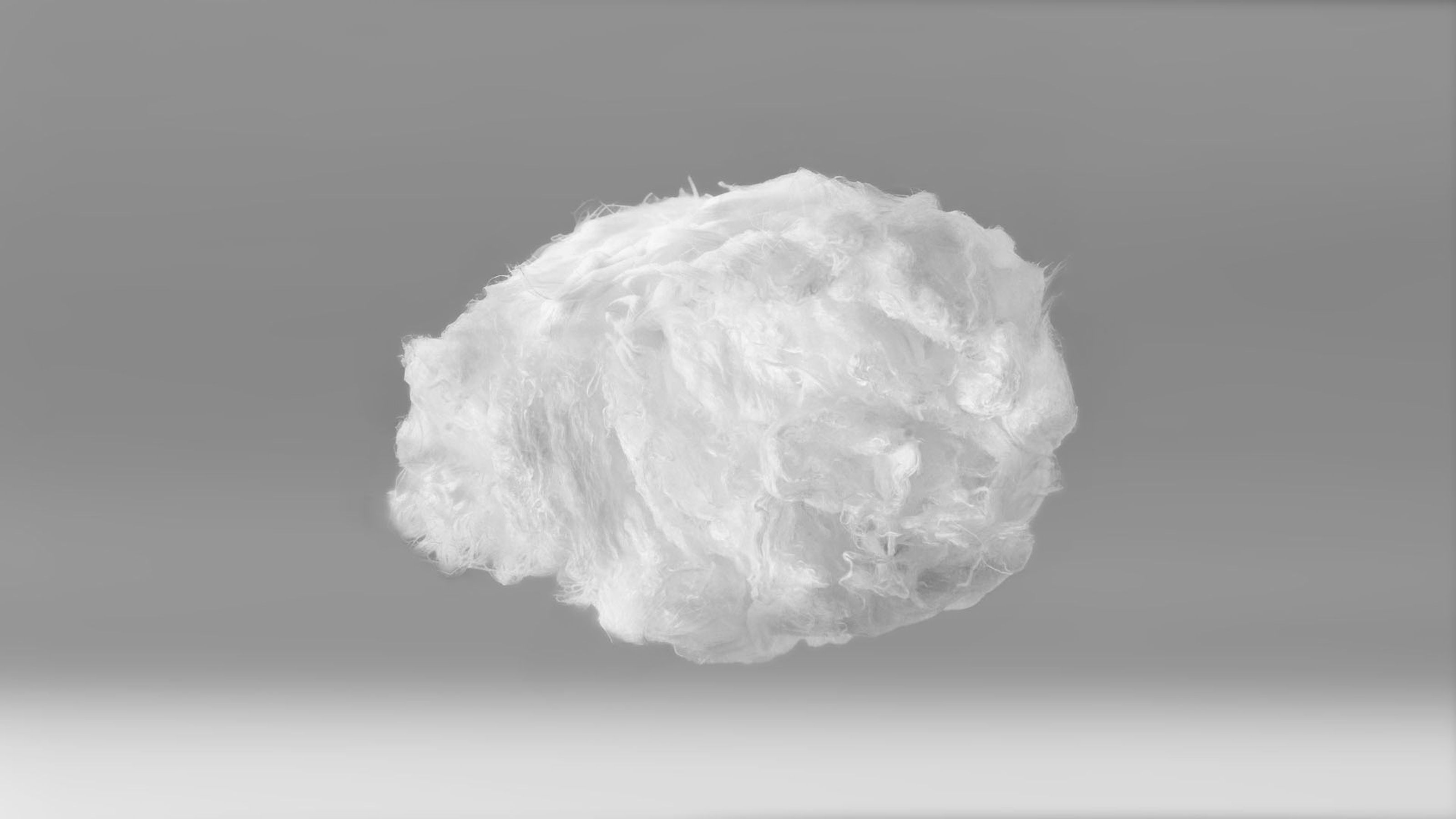
About the fiber
LENZING™ FR fibers are inherently flame-resistant cellulosic fibers¹ based on Lenzing's renowned Modal fiber production process. They are commonly blended with other high-performance fibers to produce fabric solutions for a wide range of protective wear applications. Our fibers typically contribute both protective qualities and enhanced comfort to these fabric blends.⁵
Benefits
How you benefit from LENZING™ FR fibers

Certified or controlled wood sources
The wood used as raw material for all LENZING™ FR fibers is sourced from certified (FSC™ or PEFC certification) or controlled wood sources.²

EU Ecolabel
LENZING™ FR fibers certified with the EU Ecolabel have a reduced environmental impact across multiple stages of the product life cycle.³

High tenacity
Produced using Lenzing’s Modal production process, LENZING™ FR fibers deliver durability and performance. Compared to generic FR viscose fibers, LENZING™ FR fibers achieve over 70% higher wet tenacity. ⁴

Moisture management
A blend of LENZING™ FR and aramid fibers showed the smallest increase in core body and skin temperatures,⁵ supporting enhanced physical performance and reduced heat stress.

Skin friendliness
Having been certified as harmless to human health under OEKO-TEX® STANDARD 100, annex 6 and product class 1 certification, LENZING™ FR fibers are suitable for even the most sensitive skin.
Technologies
Advanced technologies for LENZING™ FR fibers

FR technology
Produced using FR technology, LENZING™ FR fibers are inherently flame-resistant cellulosic fibers¹ suitable for a wide range of protective wear applications.

Color technology
Color technology incorporates color pigments directly into LENZING™ FR fibers, saving additional downstream dyeing steps, resulting in up to 50% less energy and water consumption, while achieving up to a 60% reduction in carbon footprint compared to conventional dyeing.⁶

Tracing technology
LENZING™ FR fibers are produced with a molecular marker. This special identification technology ensures the authenticity and traceability of LENZING™ FR fibers even after processing into textile products.
Manufacturing process
LENZING™ FR fibers are inherently flame-resistant cellulosic fibers based on Lenzing’s Modal fiber production process. LENZING™ FR fibers meet the definition of “inherently flame-retardant and flame-resistant fibers” specified by the European Man-made Fibres Association (CIRFS).
¹ LENZING™ FR fibers meet the definition of “inherently flame-resistant fibers”, as specified by the European Man-Made Fibres Association (CIRFS).
2 The wood and pulp used as a raw material in the production of LENZING™ FR fibers is sourced from certified or controlled wood sources. Certification: FSC™ (FSC-C041246) or PEFC (PEFC/06-33-92) or wood sources that follow the stringent guidelines of the Lenzing Wood and Pulp Policy.
3 LENZING™ FR fibers are certified with the EU Ecolabel for textile products (license no. AT/016/001) in recognition of environmental excellence.
4 Comparison test was carried out at external laboratory according to the BISFA regulations and methods.
5 A blend of LENZING™ FR and aramid fibers showed the smallest increase in core body and skin temperatures. Figures are measured before and after a workout according to a workload protocol based on a scientific study at the University of Graz/AT.
6 Results based on “Terinte et al., 2014: Terinte, N., Manda, B.M.K., Taylor, J., Schuster, K.C., and Patel, M. (2014). Environmental assessment of coloured fabrics and opportunities for value creation: spin-dyeing versus conventional dyeing. Journal of Cleaner Production, Vol. 72: 127–138.”; Textile processing steps being similar for Modal and Viscose, therefore savings are based on calculations of fabric production and dyeing via jet dyeing excl. fiber impact.