Innovation
Fiber innovation at Lenzing: Science drives sustainability
OUR APPROACH
Some things only become possible when you rethink them. This mindset shapes how we approach innovation at Lenzing.
We focus on improving how fibers are produced, with defined sustainability criteria guiding our development process. This includes investments in research, process optimization, and new fiber solutions.
We look beyond the fiber itself to understand evolving customer and consumer needs. Inspiration can come from every step of the value chain, and in a circular system, each part contributes to the next.
Lenzing collaborates with universities, research institutes, and industry organizations to advance fiber and process innovation. This includes joint research projects, participation in industry initiatives, and partnerships across the value chain. These activities support knowledge exchange, continuous process improvement, and the development of new fiber solutions.


Innovation fields
R&D at Lenzing: our focus areas
Pulp technology
Lenzing continuously improves recovery systems, closed-loop solutions, and energy use to enhance process efficiency. At the same time, we develop new technologies and product innovations. These include tailored pulp qualities for lyocell fibers and process adaptations that support downstream fiber production.
Process development
To reduce environmental impact, we continuously improve our fiber production. This includes ongoing research, process optimization, and advanced technologies focusing on energy efficiency, higher recovery rates of process inputs, and enhanced performance across lyocell and viscose production.
Product development
In this area, we develop functional fibers for textiles and nonwovens while continuously improving existing products. We enhance fiber processability and evaluate key properties like moisture management and softness to support brand claims and meet consumer demands.
Application development
At Lenzing, we collaborate with global partners across textiles, home goods, hygiene, and industry. Through shared expertise and intercultural exchange, we create new fiber applications: denim, high-performance technical fabrics, 100 percent cellulosic nonwovens, battery separators, innovative packaging, and more.
Textile recycling
Lenzing develops recycling processes for cellulose-containing textiles that can no longer be reused. These processes enable the integration of recycled material into new fibers, even when fabrics are complex or blended. To advance this, Lenzing collaborates with partners such as Södra, works with external suppliers, and participates in research projects. Technologies such as REFIBRA™ already enable the use of recycled textile material on a commercial scale. These developments support circular material flows by enabling the reuse of textile waste in new fiber production.
Biorefinery
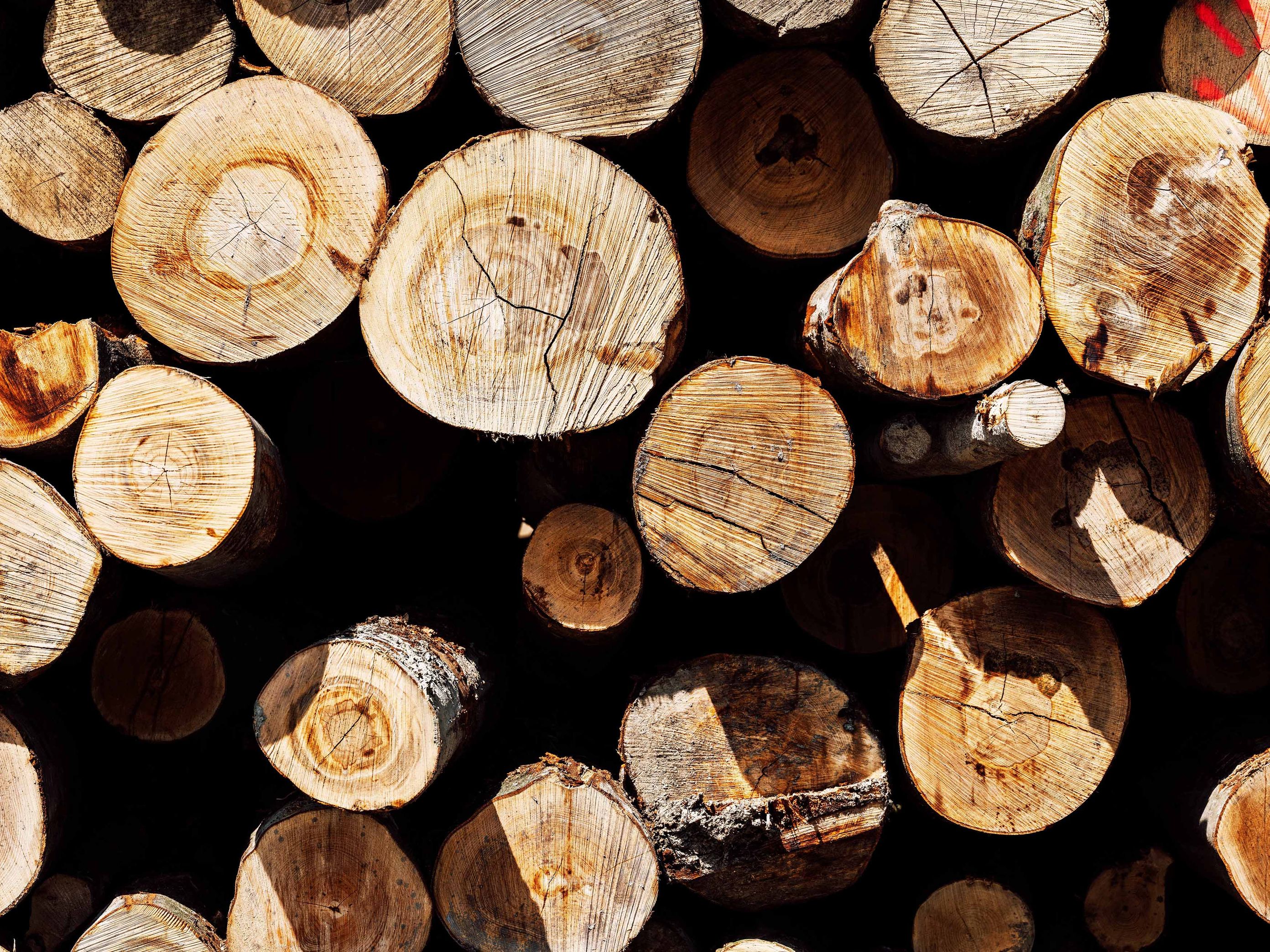
Lenzing’s innovative biorefinery concept maximizes value from each tree − by using components beyond cellulose. Our biobased products like acetic acid and furfural have a smaller ecological footprint than their fossil-based counterparts. We are exploring ways to create additional high-quality materials from unused production side streams.
Collaboration
Strategic Partnerships – Crucial for fiber innovation

LIFE TREATS
With Södra, we’re developing industrial-scale recycling processes for complex-colored textiles made from mixed materials – within the EU-supported LIFE TREATS project.

Glacial Threads
Our partners transform used LENZING™ fiber geotextiles from glacier protection into new fibers. A successful pilot project created a “glacier jacket” from recycled materials.
CISUTAC
In this EU co-funded project we collaborate with more than 25 partners, including EURATEX and major brands, to develop solutions supporting circularity in the textile industry.

CellFil
Lenzing is a partner in the CELLFIL project to advance textile production. The project focuses on scaling lyocell filament and exploring circular economy applications.

Christian Doppler Labor
Lenzing partners with two Christian Doppler labs − at TU Vienna and at BOKU Tulln − to research circular economy solutions and cellulose-based materials.